
Opening Prayer
Begin with reading the prayer below. If you have children there is a version they can read or repeat as well.
Gracious God, we come into Your presence just as we are - with distracted minds and full hearts, with burdens we carry and blessings we often overlook. In this moment, we set aside the noise of our lives and turn our attention to You. Meet us here, Lord. Quiet the rush within us. Open our ears to hear Your voice and our hearts to receive what You have for us today. We don't come because we have it all together; we come because You invite us. And so we say yes to You, to this moment, to whatever You want to do in us. In Jesus' name, Amen.
Children's Version:
Dear God, here we are! Thank You for inviting us to spend time with You. Help us to listen and to learn. We're ready to hear what You want to tell us today. We love You. In Jesus' name, Amen.
Gracious God, we come into Your presence just as we are - with distracted minds and full hearts, with burdens we carry and blessings we often overlook. In this moment, we set aside the noise of our lives and turn our attention to You. Meet us here, Lord. Quiet the rush within us. Open our ears to hear Your voice and our hearts to receive what You have for us today. We don't come because we have it all together; we come because You invite us. And so we say yes to You, to this moment, to whatever You want to do in us. In Jesus' name, Amen.
Children's Version:
Dear God, here we are! Thank You for inviting us to spend time with You. Help us to listen and to learn. We're ready to hear what You want to tell us today. We love You. In Jesus' name, Amen.
Song
Yes I Will
Reading - Psalm 133
Psalm 133
A song of ascents. Of David.
1 How good and pleasant it is
when God’s people live together in unity!
2 It is like precious oil poured on the head,
running down on the beard,
running down on Aaron’s beard,
down on the collar of his robe.
3 It is as if the dew of Hermon
were falling on Mount Zion.
For there the Lord bestows his blessing,
even life forevermore.
A song of ascents. Of David.
1 How good and pleasant it is
when God’s people live together in unity!
2 It is like precious oil poured on the head,
running down on the beard,
running down on Aaron’s beard,
down on the collar of his robe.
3 It is as if the dew of Hermon
were falling on Mount Zion.
For there the Lord bestows his blessing,
even life forevermore.
Song
Amazing Grace
Reading: The Parable of the Good Samaritan - Luke 20:25-37

25 On one occasion an expert in the law stood up to test Jesus. “Teacher,” he asked, “what must I do to inherit eternal life?”
26 “What is written in the Law?” he replied. “How do you read it?”
27 He answered, “‘Love the Lord your God with all your heart and with all your soul and with all your strength and with all your mind’[c]; and, ‘Love your neighbor as yourself.’[d]”
28 “You have answered correctly,” Jesus replied. “Do this and you will live.”
29 But he wanted to justify himself, so he asked Jesus, “And who is my neighbor?”
30 In reply Jesus said: “A man was going down from Jerusalem to Jericho, when he was attacked by robbers. They stripped him of his clothes, beat him and went away, leaving him half dead. 31 A priest happened to be going down the same road, and when he saw the man, he passed by on the other side. 32 So too, a Levite, when he came to the place and saw him, passed by on the other side. 33 But a Samaritan, as he traveled, came where the man was; and when he saw him, he took pity on him. 34 He went to him and bandaged his wounds, pouring on oil and wine. Then he put the man on his own donkey, brought him to an inn and took care of him. 35 The next day he took out two denarii[e] and gave them to the innkeeper. ‘Look after him,’ he said, ‘and when I return, I will reimburse you for any extra expense you may have.’
36 “Which of these three do you think was a neighbor to the man who fell into the hands of robbers?”
37 The expert in the law replied, “The one who had mercy on him.”
Jesus told him, “Go and do likewise.”
26 “What is written in the Law?” he replied. “How do you read it?”
27 He answered, “‘Love the Lord your God with all your heart and with all your soul and with all your strength and with all your mind’[c]; and, ‘Love your neighbor as yourself.’[d]”
28 “You have answered correctly,” Jesus replied. “Do this and you will live.”
29 But he wanted to justify himself, so he asked Jesus, “And who is my neighbor?”
30 In reply Jesus said: “A man was going down from Jerusalem to Jericho, when he was attacked by robbers. They stripped him of his clothes, beat him and went away, leaving him half dead. 31 A priest happened to be going down the same road, and when he saw the man, he passed by on the other side. 32 So too, a Levite, when he came to the place and saw him, passed by on the other side. 33 But a Samaritan, as he traveled, came where the man was; and when he saw him, he took pity on him. 34 He went to him and bandaged his wounds, pouring on oil and wine. Then he put the man on his own donkey, brought him to an inn and took care of him. 35 The next day he took out two denarii[e] and gave them to the innkeeper. ‘Look after him,’ he said, ‘and when I return, I will reimburse you for any extra expense you may have.’
36 “Which of these three do you think was a neighbor to the man who fell into the hands of robbers?”
37 The expert in the law replied, “The one who had mercy on him.”
Jesus told him, “Go and do likewise.”
Devotion
There's a phrase that has circulated in leadership circles for years, often attributed to Theodore Roosevelt: "People don't care how much you know until they know how much you care." It's the kind of saying that gets printed on coffee mugs and shared in motivational seminars. Like many well-worn phrases, we can hear it so often that we forget to actually hear it. But it’s very true!
The lawyer who approaches Jesus in our reading from Luke is a knowledgeable man. He knows the law. He can recite the commandments. When Jesus asks him what is written in Scripture, he answers perfectly: "Love the Lord your God with all your heart and with all your soul and with all your strength and with all your mind; and love your neighbor as yourself." Textbook answer. Gold star. But then he does something very human. He wants to justify himself. He wants to draw boundaries around this uncomfortable command. "And who is my neighbor?" In other words: Who qualifies? Who has earned my care? Where exactly can I stop?
Jesus doesn't give him a definition. He gives him a story.
A man lies beaten and bleeding on the road to Jericho. A priest passes by - a man who certainly knew plenty about God's law. A Levite follows - another expert in religious matters. Both see the wounded man. Both keep walking.
Then comes a Samaritan. In Jesus' original audience, this would have been jarring. Samaritans were outsiders, considered unclean, theologically incorrect, unwelcome. And yet it is this man who stops. Who bandages wounds. Who lifts the stranger onto his own donkey. Who pays for his care out of his own pocket. Who promises to return.
The Samaritan may not have had the religious credentials of the priest and Levite. But he had something they lacked: a heart that moved toward suffering rather than away from it.
This is the uncomfortable truth Jesus places before us. Loving our neighbor isn't primarily about knowing the right answers. It isn't about having correct theology (though theology matters!). It isn't about being part of the right group. It's about seeing the person in front of us and choosing to enter into their need.
The priest and the Levite likely had excellent reasons for passing by. Perhaps touching a possibly-dead body would have made them ritually unclean. Perhaps they were running late for important religious duties. Perhaps they were afraid of bandits still lurking nearby. We are also quite good at generating reasons to walk past.
THE INTERRUPTION
But the Samaritan didn't calculate the cost. He didn't first check whether the man deserved help, what tribe he belonged to, or whether helping would be convenient. He saw a human being in need, and compassion moved him. The Good Samaritan had somewhere to be. He was on the road to Jericho—a journey, a destination, a schedule. And then he came upon a man lying half-dead in the dirt. This was an interruption. It would cost him time. It would cost him money. It would mean rearranging his plans, delaying his arrival, getting involved in someone else's mess. The priest and the Levite also had somewhere to be, and they decided their schedules mattered more than the stranger in the road. They kept walking.
But the Samaritan stopped. He let the interruption become the moment.
My Uncle Larry, now a retried Lutheran pastor, once told me something I've never forgotten when I first started in ministry. I remarked one day to him about all the things I wanted to get done in the week and then how I would always be interrupted and I never felt like I could get everything done. Maybe you've had a week like that, or that's what it fells like right now! Then he said something I’ll never forget: "Those aren't interruptions - those are divine directions." God is showing you where you need to be, not the other way around. Those simple words have reshaped how I “do” life and ministry and how I interact and love others.
What if the things that disrupt our carefully planned days are actually God's way of redirecting us toward the people and places where we're needed most?
This winter weather might feel like an interruption. Services canceled. Roads impassable. No School - Plans undone. We had somewhere to be, and now we're stuck at home. It's easy to feel frustrated, restless, like the day has been stolen from us.
But perhaps God is inviting us to see it differently.
Perhaps this pause is a divine direction—an opportunity to slow down, to be present with our families, to call a neighbor and check in, to notice the people right in front of us that we usually rush past. Perhaps being "stuck" is actually being “placed”. Maybe "postponement" is actually "positioning" - exactly where God wants us, with exactly who He wants us to love.
The Samaritan didn't resent the interruption. He responded to it with compassion. And in doing so, he became the answer to someone's desperate prayer.
REAL COMPASSION
The original Greek word for what moved the Samaritan is σπλαγχνίζομαι—splanchnizomai. It means to be moved in one's gut, in one's innermost being. It's visceral. It's not pity from a distance; it's the kind of compassion that disrupts your day and your plans and your budget because you simply cannot walk past.
This is the love John describes in his letter: love not "with words or speech but with actions and in truth" (1 John 3:18). This is love that has hands—that bandages wounds, that opens wallets, that makes promises and keeps them.
And this is what Jesus did for us! Before we are called to be Good Samaritans, we must recognize that we were the one in the ditch. Broken by sin, unable to save ourselves. And Jesus—the ultimate outsider who left heaven's glory—saw us and did not pass by. He knelt beside us, poured out His own blood to heal our wounds, and paid a debt we could never repay with His life on the cross. He is our good samaritan who saved us and got us back on our feet. We love others not to earn His favor, but because He first loved us when we were still lying in the road.
So perhaps today the question isn't "who is my neighbor?"—because Jesus has already answered that.
The question is: what kind of neighbor am I?
Do the people in my life—my family, my coworkers, the stranger at the grocery store, the difficult person I'd rather avoid—do they know how much I care? Not because I've told them, but because I've shown them?
Today, whether we are gathered with family or sitting by ourselves, we are not alone. We are the body of Christ, called to bear one another's burdens. Called to weep with those who weep and rejoice with those who rejoice. Called not just to know about love, but to practice it—one bandage, one meal, one phone call, one act of kindness at a time.
Today, as we reflect on our winter weather and our plans sit on hold, may we have eyes to see the divine directions hidden in our interruptions. God is not absent in the disruption. He is at work - guiding us to where we need to be to grow in Him and love others.
“People don't care how much you know until they know how much you care.” And the world will know we are Christ's disciples - not by our theological precision or our perfect attendance - but by our love.
May you be blessed this week.
- Pastor Devin
The lawyer who approaches Jesus in our reading from Luke is a knowledgeable man. He knows the law. He can recite the commandments. When Jesus asks him what is written in Scripture, he answers perfectly: "Love the Lord your God with all your heart and with all your soul and with all your strength and with all your mind; and love your neighbor as yourself." Textbook answer. Gold star. But then he does something very human. He wants to justify himself. He wants to draw boundaries around this uncomfortable command. "And who is my neighbor?" In other words: Who qualifies? Who has earned my care? Where exactly can I stop?
Jesus doesn't give him a definition. He gives him a story.
A man lies beaten and bleeding on the road to Jericho. A priest passes by - a man who certainly knew plenty about God's law. A Levite follows - another expert in religious matters. Both see the wounded man. Both keep walking.
Then comes a Samaritan. In Jesus' original audience, this would have been jarring. Samaritans were outsiders, considered unclean, theologically incorrect, unwelcome. And yet it is this man who stops. Who bandages wounds. Who lifts the stranger onto his own donkey. Who pays for his care out of his own pocket. Who promises to return.
The Samaritan may not have had the religious credentials of the priest and Levite. But he had something they lacked: a heart that moved toward suffering rather than away from it.
This is the uncomfortable truth Jesus places before us. Loving our neighbor isn't primarily about knowing the right answers. It isn't about having correct theology (though theology matters!). It isn't about being part of the right group. It's about seeing the person in front of us and choosing to enter into their need.
The priest and the Levite likely had excellent reasons for passing by. Perhaps touching a possibly-dead body would have made them ritually unclean. Perhaps they were running late for important religious duties. Perhaps they were afraid of bandits still lurking nearby. We are also quite good at generating reasons to walk past.
THE INTERRUPTION
But the Samaritan didn't calculate the cost. He didn't first check whether the man deserved help, what tribe he belonged to, or whether helping would be convenient. He saw a human being in need, and compassion moved him. The Good Samaritan had somewhere to be. He was on the road to Jericho—a journey, a destination, a schedule. And then he came upon a man lying half-dead in the dirt. This was an interruption. It would cost him time. It would cost him money. It would mean rearranging his plans, delaying his arrival, getting involved in someone else's mess. The priest and the Levite also had somewhere to be, and they decided their schedules mattered more than the stranger in the road. They kept walking.
But the Samaritan stopped. He let the interruption become the moment.
My Uncle Larry, now a retried Lutheran pastor, once told me something I've never forgotten when I first started in ministry. I remarked one day to him about all the things I wanted to get done in the week and then how I would always be interrupted and I never felt like I could get everything done. Maybe you've had a week like that, or that's what it fells like right now! Then he said something I’ll never forget: "Those aren't interruptions - those are divine directions." God is showing you where you need to be, not the other way around. Those simple words have reshaped how I “do” life and ministry and how I interact and love others.
What if the things that disrupt our carefully planned days are actually God's way of redirecting us toward the people and places where we're needed most?
This winter weather might feel like an interruption. Services canceled. Roads impassable. No School - Plans undone. We had somewhere to be, and now we're stuck at home. It's easy to feel frustrated, restless, like the day has been stolen from us.
But perhaps God is inviting us to see it differently.
Perhaps this pause is a divine direction—an opportunity to slow down, to be present with our families, to call a neighbor and check in, to notice the people right in front of us that we usually rush past. Perhaps being "stuck" is actually being “placed”. Maybe "postponement" is actually "positioning" - exactly where God wants us, with exactly who He wants us to love.
The Samaritan didn't resent the interruption. He responded to it with compassion. And in doing so, he became the answer to someone's desperate prayer.
REAL COMPASSION
The original Greek word for what moved the Samaritan is σπλαγχνίζομαι—splanchnizomai. It means to be moved in one's gut, in one's innermost being. It's visceral. It's not pity from a distance; it's the kind of compassion that disrupts your day and your plans and your budget because you simply cannot walk past.
This is the love John describes in his letter: love not "with words or speech but with actions and in truth" (1 John 3:18). This is love that has hands—that bandages wounds, that opens wallets, that makes promises and keeps them.
And this is what Jesus did for us! Before we are called to be Good Samaritans, we must recognize that we were the one in the ditch. Broken by sin, unable to save ourselves. And Jesus—the ultimate outsider who left heaven's glory—saw us and did not pass by. He knelt beside us, poured out His own blood to heal our wounds, and paid a debt we could never repay with His life on the cross. He is our good samaritan who saved us and got us back on our feet. We love others not to earn His favor, but because He first loved us when we were still lying in the road.
So perhaps today the question isn't "who is my neighbor?"—because Jesus has already answered that.
The question is: what kind of neighbor am I?
Do the people in my life—my family, my coworkers, the stranger at the grocery store, the difficult person I'd rather avoid—do they know how much I care? Not because I've told them, but because I've shown them?
Today, whether we are gathered with family or sitting by ourselves, we are not alone. We are the body of Christ, called to bear one another's burdens. Called to weep with those who weep and rejoice with those who rejoice. Called not just to know about love, but to practice it—one bandage, one meal, one phone call, one act of kindness at a time.
Today, as we reflect on our winter weather and our plans sit on hold, may we have eyes to see the divine directions hidden in our interruptions. God is not absent in the disruption. He is at work - guiding us to where we need to be to grow in Him and love others.
“People don't care how much you know until they know how much you care.” And the world will know we are Christ's disciples - not by our theological precision or our perfect attendance - but by our love.
May you be blessed this week.
- Pastor Devin
Feel free to use the Family Craft Activity here or later in your day.
Reflection
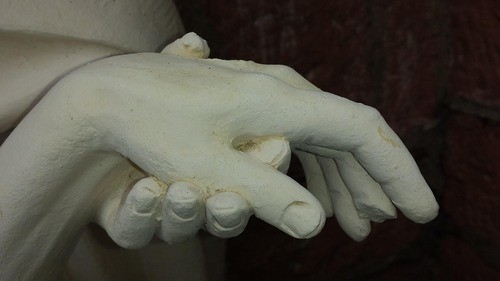
Answer the questions below (journal, discuss, contemplate) to help guide your reflection of the story in Luke 20.
1. The priest and the Levite both saw the wounded man and passed by. What are some reasons we "pass by" people in need today—not because we're bad people, but because life feels busy or complicated? What would it look like to slow down enough to notice?
2. The Samaritan was an outsider, someone the wounded man might not have expected help from. Is there someone in your life you've overlooked or dismissed who might actually be the neighbor God is calling you to love—or who might be ready to show love to you?
3. Jesus said the Samaritan was "moved with compassion." When was the last time you felt that gut-level compassion for someone? What did you do about it? What held you back if you didn't act?
4. The Samaritan's love was practical - bandages, transportation, money, a promise to return. Think about one person in your life. What is one specific, tangible thing you could do this week to show them love in action, not just words?
1. The priest and the Levite both saw the wounded man and passed by. What are some reasons we "pass by" people in need today—not because we're bad people, but because life feels busy or complicated? What would it look like to slow down enough to notice?
2. The Samaritan was an outsider, someone the wounded man might not have expected help from. Is there someone in your life you've overlooked or dismissed who might actually be the neighbor God is calling you to love—or who might be ready to show love to you?
3. Jesus said the Samaritan was "moved with compassion." When was the last time you felt that gut-level compassion for someone? What did you do about it? What held you back if you didn't act?
4. The Samaritan's love was practical - bandages, transportation, money, a promise to return. Think about one person in your life. What is one specific, tangible thing you could do this week to show them love in action, not just words?
Prayer
Lord, as we sit with these questions, we ask for honest hearts. Show us where we have walked past those in need. Reveal the neighbors You have placed in our path—the ones we've overlooked, the ones we've avoided, the ones we've decided were someone else's responsibility. Give us courage to love as You have loved us—not in word only, but in deed. Amen.
Children's Version:
Jesus, help us to be helpers. When we see someone who is hurt or sad or lonely, help us to stop and care for them. Make our hearts kind like Yours. Amen.
Children's Version:
Jesus, help us to be helpers. When we see someone who is hurt or sad or lonely, help us to stop and care for them. Make our hearts kind like Yours. Amen.
Song
Build My Life
Reading - 1 John 3:16-18

This is how we know what love is: Jesus Christ laid down his life for us. And we ought to lay down our lives for our brothers and sisters. If anyone has material possessions and sees a brother or sister in need but has no pity on them, how can the love of God be in that person? Dear children, let us not love with words or speech but with actions and in truth.
Closing Prayer
Heavenly Father, we carry with us the challenge of the Samaritan - to love without limits, to care without calculation. You did not pass by when we were wounded and far off. You stopped, You healed, You paid a price we could never repay. Now send us out to do the same for others. When we are tempted to look away, turn our heads back. May the people in our lives know how much we care because we have shown them. Make us neighbors worth having. In the name of Jesus, who crossed every boundary to reach us, Amen.
Children's Version:
Dear God, thank You for teaching us about being a good neighbor. Help us to have eyes that see people who need help and hands that are ready to help them. Thank You for loving us so much. Help us to share that love with everyone we meet. In Jesus' name, Amen.
Children's Version:
Dear God, thank You for teaching us about being a good neighbor. Help us to have eyes that see people who need help and hands that are ready to help them. Thank You for loving us so much. Help us to share that love with everyone we meet. In Jesus' name, Amen.